In our fast-paced world, many people push themselves without pause. Work demands pile up. Family needs call for attention. Personal goals add more pressure. Yet constant activity drains energy. It leads to stress, tiredness, and burnout.
Rest offers a simple way to recover. It helps the body and mind heal. Proper rest keeps you calm, focused, and ready for life. This article looks at why balance matters. It shares practical steps to weave rest into daily routines. You can feel more energised and positive as a result.
Why Balance Between Work, Play, and Rest Matters
Today’s life moves quickly. Screens, notifications, and to-do lists never stop. Many feel guilty if they slow down. But endless busyness harms health. It raises stress levels and lowers mood.
The Mental Health Foundation reports that overwork links to higher anxiety in the UK. Rest breaks this cycle. It restores energy and sharpens focus. When you balance effort with downtime, life feels lighter.
True well-being comes from three parts. Time for productive work. Time for enjoyable play. Time for deep rest. Get these right and you protect your mental and physical health.
Recognise the Importance of Rest
Rest Is a Necessity, Not a Luxury
Rest is not a reward you earn. It forms a basic need for good health. Without it, stress builds. Mood dips. The body struggles. Over time, lack of rest raises risks like high blood pressure and a weaker immune system.
The Mental Health Foundation in the UK stresses that rest reduces anxiety. It lifts mood and strengthens the heart. Short breaks help maintain energy through the day.
How to Apply This
Listen to your body. Tiredness or low energy signals a need to slow down. Treat rest as essential, not optional.
Build in regular pauses. Take short breaks before full exhaustion hits. A quick moment to sit quietly can refresh you.
Create a Healthy Work-Rest Balance
Finding the Right Mix for You

A good balance means time for work plus time to unwind. Overworking leads to exhaustion. Too little activity can leave you feeling flat. The right mix keeps you productive and calm.
The NHS notes that clear boundaries improve well-being. You meet deadlines yet enjoy hobbies and sleep. This balance cuts worry about work during personal time.
How to Apply This
Set firm work limits. Switch off emails after hours. Decide when work ends and personal time begins.
Make space for joy. Read a book. Walk outside. Meet friends. These moments bring happiness and recharge you.
Plan breaks during the day. Every couple of hours, step away for five minutes. Stretch or breathe deeply to reset.
Practise Mindful Relaxation
Being Fully Present During Rest
Mindful rest means full presence in the moment. You let go of distractions. The mind and body relax deeply. This approach eases stress better than passive habits like endless scrolling.
NHS guidance highlights breathing exercises for calm. They bring focus to the present. Mindful practices lower anxiety and improve mood.
How to Apply This
Try simple breathing. Inhale slowly through the nose. Hold briefly. Exhale gently. Do this for five minutes to quiet thoughts.
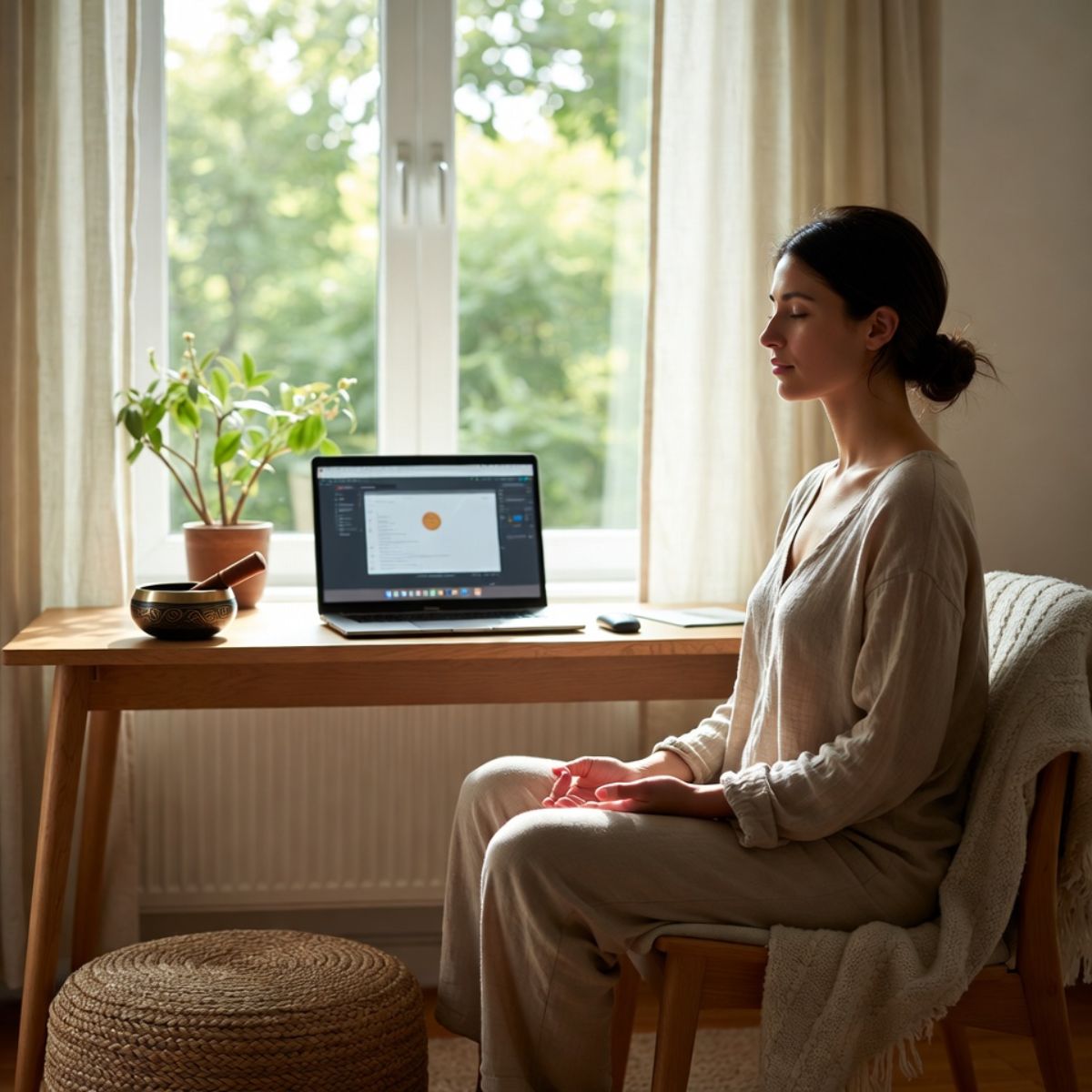
Build a peaceful spot. Dim lights. Add soft sounds or quiet. Make relaxation feel inviting.
Stay single-task during rest. Avoid checking your phone or planning tasks. Give full attention to unwinding.
Let Go of Guilt About Resting
Why Guilt Holds You Back
Many feel bad for taking breaks. They think rest wastes time. In truth, rest boosts productivity later. It clears the mind and restores energy.
UK reports show high stress levels affect most adults. Rest prevents burnout. It supports long-term motivation and health.
How to Apply This
Question old beliefs. Remind yourself that breaks make you sharper. Rest fuels better work.
View rest positively. See it as self-care that helps you thrive. Celebrate small pauses as wise choices.
Be gentle with yourself. Everyone needs downtime. Caring for your needs comes first.
Build a Restful Routine
The Power of Consistent Patterns
A steady routine brings calm. It sets natural times for activity and rest. This rhythm steadies energy and cuts stress.
The Mental Health Foundation points out that regular patterns aid recovery. Consistent sleep and wind-down habits signal safety to the body.
How to Apply This
Keep sleep times regular. Go to bed and wake at similar hours daily. This aligns your natural clock.
Wind down each evening. Read quietly. Practise light mindfulness. Enjoy a warm bath to ease into sleep.
Stick to daily breaks. Schedule short pauses at set times. Consistency turns rest into habit.
Enjoy Active Rest
Gentle Movement That Recharges
Rest can involve gentle movement. A slow walk or easy stretch refreshes without strain. These activities boost blood flow and ease tension.
UK health sources explain that low-intensity movement aids recovery. It reduces soreness and supports mental clarity. Gentle exercise like walking or yoga fits well.
How to Apply This
Take a leisurely stroll. Breathe fresh air. Notice your surroundings. This recharges body and mind.
Add gentle stretches or yoga. Soft movements release tight spots. They calm thoughts too.
Try creative tasks. Draw. Cook simply. Garden lightly. These engage you gently while giving the mind a break from routine.
Embrace Balance for a Calmer Life
Balance between effort, enjoyment, and rest creates lasting well-being. Recognise rest’s value. Practise mindful pauses. Build routines that nurture you.
Rest is vital, not optional. It keeps you motivated and refreshed. Step back when needed. Recharge fully. You will feel more positive and ready for each day.
Many UK experts agree. Proper rest lowers stress. It prevents burnout. It supports a healthier, happier life. Start small. Add one change today. Over time, these habits bring real calm and energy.
- All
- AW delivery
- Accessories
- Home and Garden
- Hobbies and Crafts
- Mindfulness and Wellbeing
- Uncategorised
- Just for Kids
- Dog Gifts
- Homeware for a Happy Home
- Beach Towels, Blankets & Throws
- Mindful Jewellery
- Clothing
- Good Lifestyle
- Back
- Seagrass Rugs
- Jute Rugs
- Rag Rugs
- Back
- Angel Bell
- Angel Caller
- Back
- Boho Blankets and Throws
- Rugs
- Soap flowers
- Baskets
- Home Organisation
- Floor Cushions
- Blankets
- Candles
- Gardening
- Seagrass Rugs
- Jute Rugs
- Rag Rugs
- Back
- Pendants and Charms
- Necklaces
- Bracelets
- Angel Bell
- Angel Caller
- Back
- Sleep Aid Devices
- Red Light Devices
- Back
- Essential Oil Diffusers
- Aromatherapy Essential Oils
- Back
- Aromatherapy Massage and Bath Oil
- Back
- Aromatherapy
- Calming Tools & Devices
- Massage
- Meditation Sound Bowls
- Essential Oil Diffusers
- Aromatherapy Essential Oils
- Mindful Tech
- Evening Rituals
- Portable Calm Tools
- Sleep Aid Devices
- Red Light Devices
- Aromatherapy Massage and Bath Oil
- Back
- Funny T-Shirts
- Hoodies
- Sweatshirts for Style and Sass
- Back
- Bags
- Mindful Mugs for Morning Positivity
- Diaries, Organisers and Planners
- Back
- Mindful Tech
- Evening Rituals
- Portable Calm Tools
- Sleep Aid Devices
- Red Light Devices
- Back
- Painting
- Candle Making
- Jigsaw Puzzles and Games
- Back
- Framed Art & Posters
- Back
- Mindful Moments for Your Mobile
- Back
- Dog Blankets
- Dog Carriers
- All Posts
- Calm Home Essentials
- Uncategorized
- Wellness & Well-being
- The Joy of Small Wins
- Mindfulness and Calm
- Health & Fitness (Dog & Human)
- Featured Products
- Symbolic Jewellery
- Back
- CES devices
- Sleep Sanctuary
- Urban Wellness
- Red Light Therapy
- Mindful Technology
- Back
- Sound Bowls
- Soft Textures
- Back
- Tree of Life
- Hand of Hamsa
- Turkish Eye