Ayurveda, the traditional system of medicine originating in India over 5,000 years ago, translates to “the science of life.” It emphasises holistic well-being by harmonising the body, mind, and spirit through personalised lifestyle choices, natural therapies, and alignment with natural rhythms. Central to Ayurveda are the three doshas—Vata (air and ether), Pitta (fire and water), and Kapha (earth and water)—which govern physiological and psychological functions. Optimal health arises from balancing these doshas according to one’s unique constitution (prakriti), seasonal changes, and daily demands.
Ayurvedic wellness prioritises prevention over cure, focusing on daily routines (dinacharya), mindful nutrition, herbal support, and practices that strengthen digestive fire (agni), eliminate toxins (ama), and promote mental clarity. These approaches remain highly relevant in contemporary urban environments, where stress, irregular schedules, and environmental factors often disrupt equilibrium.
Core Principles of Ayurvedic Wellness
- Dosha Balance — Understanding and pacifying dominant doshas through tailored diet, exercise, and routines prevents imbalance-related issues such as anxiety (excess Vata), inflammation (excess Pitta), or lethargy (excess Kapha).
- Dinacharya (Daily Routine) — Structured habits synchronise the body with circadian and seasonal cycles, fostering sustained energy, digestion, and emotional stability.
- Agni and Digestion — Maintaining strong digestive fire through warm foods, mindful eating, and hydration supports nutrient absorption and toxin elimination.
- Sattvic Living — Emphasising pure, fresh foods, positive thoughts, and ethical conduct cultivates mental peace and vitality.
Key Ayurvedic Wellness Practices for Daily Integration
These accessible rituals draw from traditional dinacharya and can be adapted for modern lifestyles, including those in compact urban spaces.
- Rise Early (Brahma Muhurta) Awaken before sunrise—ideally between 4:30 and 6:00 a.m., depending on dosha and season—to harness sattvic (pure, calm) energy. Begin with gratitude or a brief intention-setting to align mind and body.
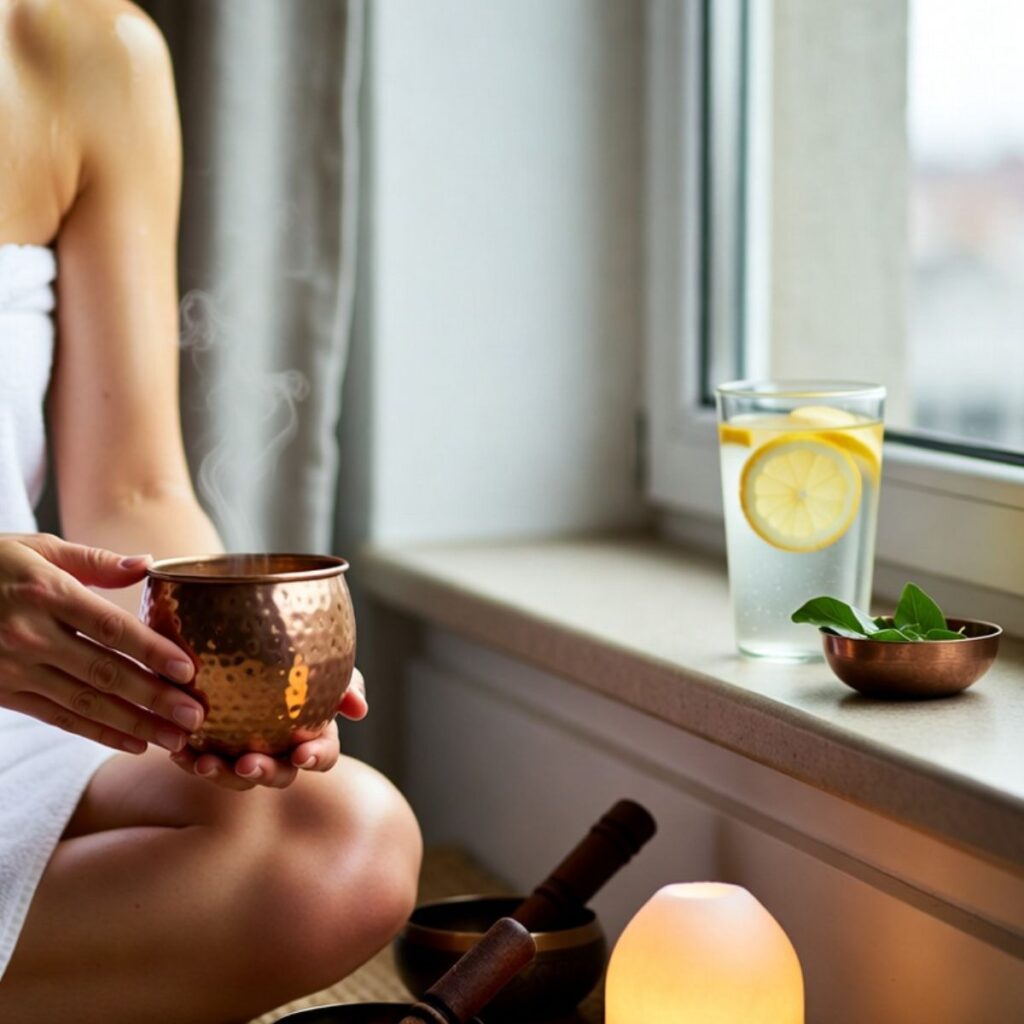
- Hydration and Cleansing Drink warm water (optionally with lemon) upon waking to stimulate digestion and flush toxins. Follow with tongue scraping to remove overnight ama buildup, enhancing oral hygiene and supporting gut health.
- Abhyanga (Self-Massage) Perform a gentle warm oil massage using sesame (for Vata), coconut (for Pitta), or sunflower oil (for Kapha). This nourishes skin, calms the nervous system, improves circulation, and grounds the body—particularly beneficial after long desk hours.
- Movement and Breathwork Engage in yoga asanas, pranayama (e.g., alternate nostril breathing), or mindful walking. These practices balance doshas, enhance flexibility, and reduce stress without requiring extensive time.
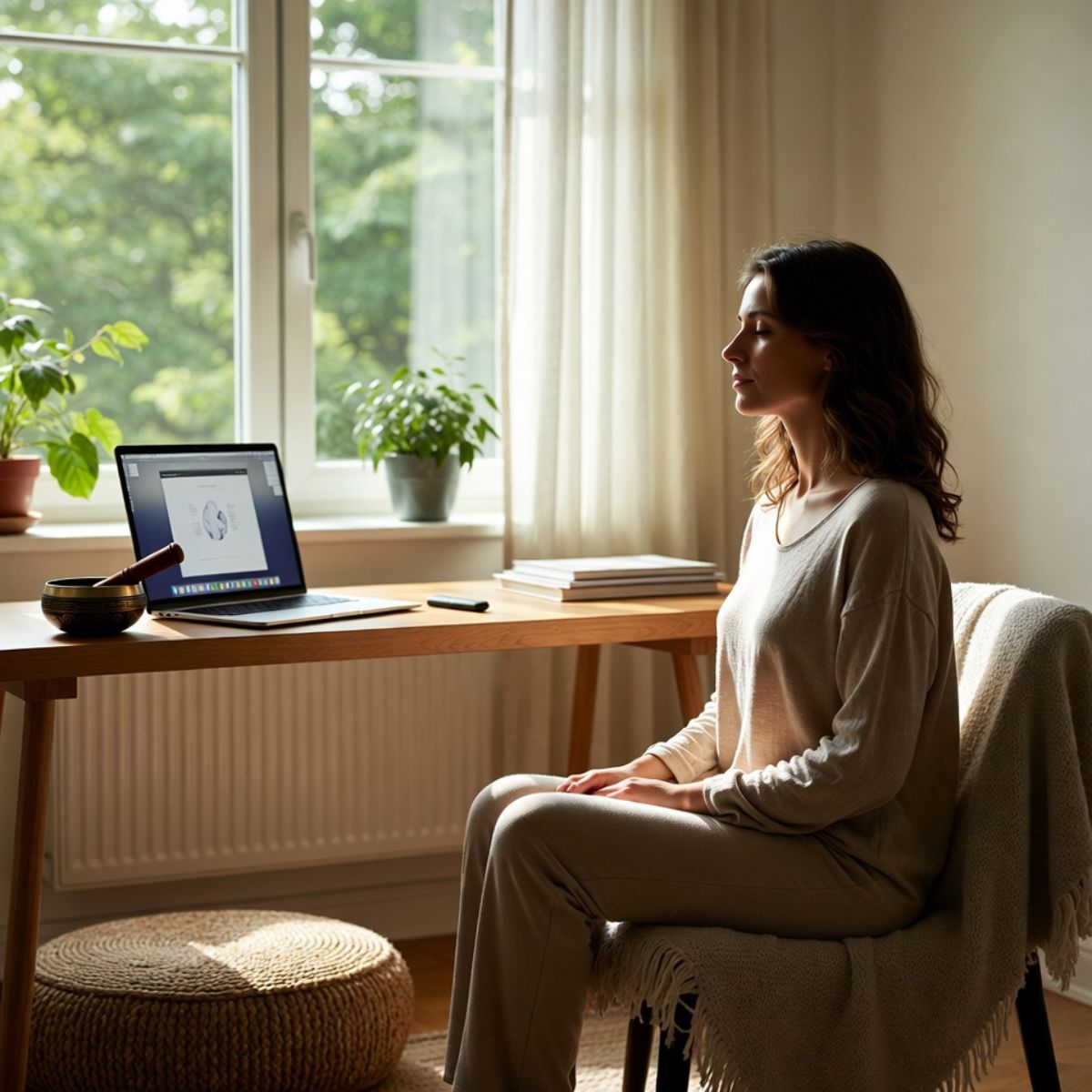
- Meditation and Mindfulness Dedicate 10–20 minutes to seated meditation or breath awareness. This fosters mental clarity, emotional resilience, and presence—countering urban overstimulation.
- Seasonal and Mindful Eating Consume the largest meal midday when agni peaks, favouring warm, cooked foods suited to your dosha and season. Eat mindfully in a calm environment to optimise digestion.
- Evening Wind-Down Dim lights early, avoid heavy meals or screens after sunset, and aim for bedtime by 10:00 p.m. to align with Kapha’s restorative phase.
Benefits for Contemporary Living
Incorporating Ayurvedic practices supports stress reduction, improved sleep, enhanced immunity, and greater emotional equilibrium—addressing common challenges in fast-paced urban settings. Simple adaptations, such as sipping warm water during work or brief self-massage breaks, yield cumulative improvements in energy and focus.
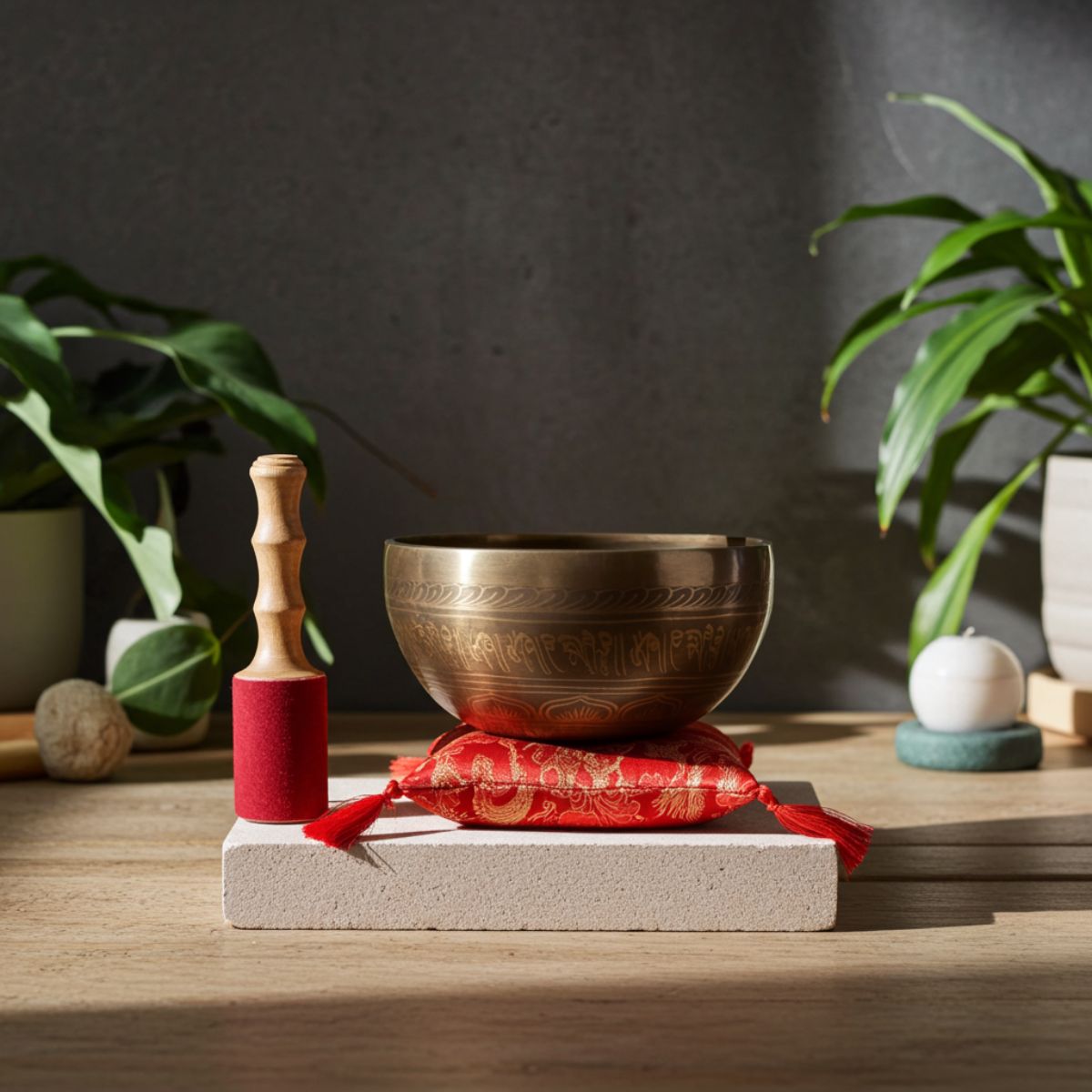
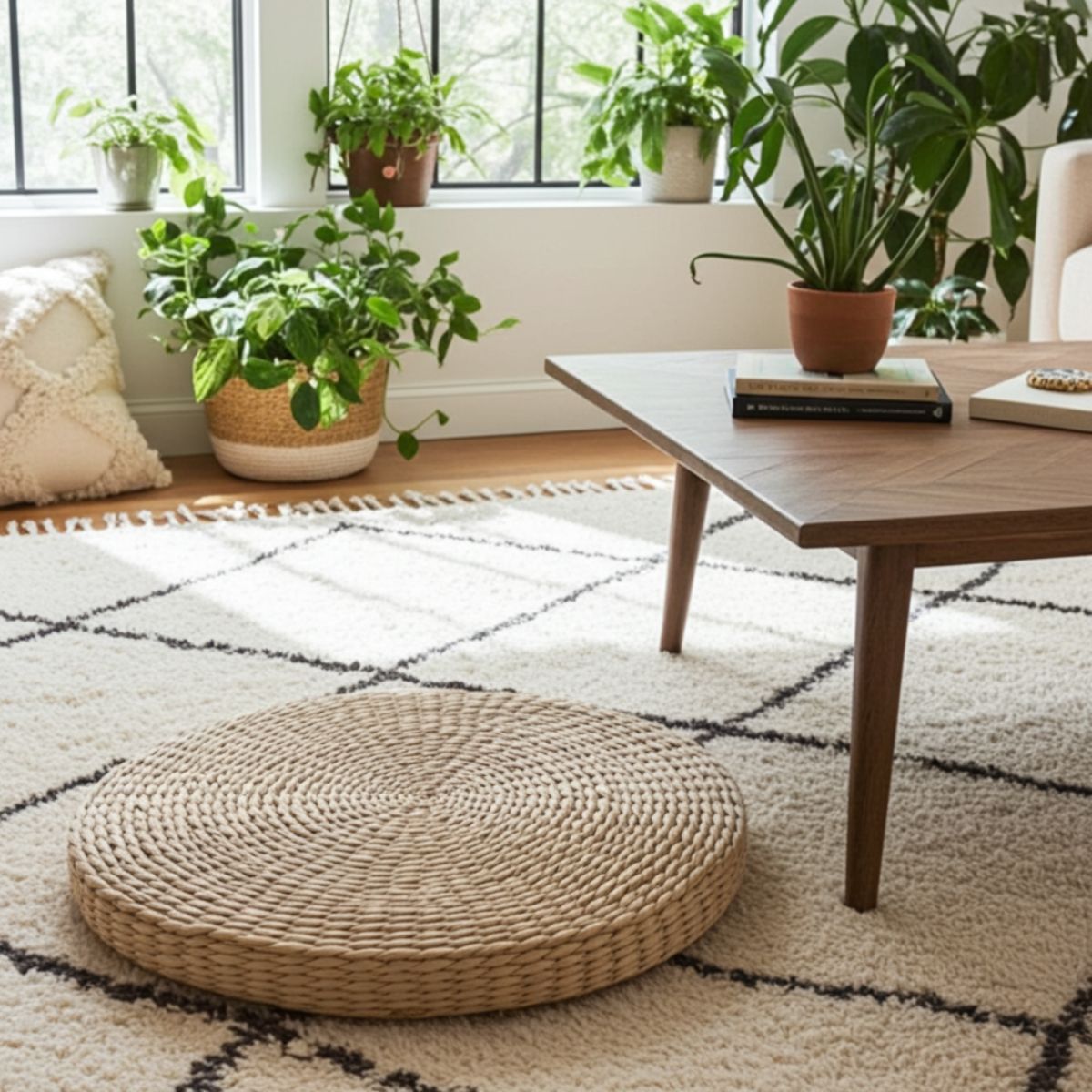
For deeper personalisation, consult an Ayurvedic practitioner to assess your dosha and tailor recommendations. These time-tested rituals complement existing mindful habits—such as those involving singing bowls, diffusers, or textured home elements—by adding layers of sensory and physiological grounding.
- All
- AW delivery
- Accessories
- Home and Garden
- Hobbies and Crafts
- Mindfulness and Wellbeing
- Uncategorised
- Just for Kids
- Dog Gifts
- Homeware for a Happy Home
- Beach Towels, Blankets & Throws
- Mindful Jewellery
- Clothing
- Good Lifestyle
- Back
- Aromatherapy
- Calming Tools & Devices
- Massage
- Meditation Sound Bowls
- Essential Oil Diffusers
- Aromatherapy Essential Oils
- Mindful Tech
- Evening Rituals
- Portable Calm Tools
- Sleep Aid Devices
- Red Light Devices
- Aromatherapy Massage and Bath Oil
- Back
- Boho Blankets and Throws
- Rugs
- Soap flowers
- Baskets
- Home Organisation
- Floor Cushions
- Blankets
- Candles
- Gardening
- Seagrass Rugs
- Jute Rugs
- Rag Rugs
- Back
- Seagrass Rugs
- Jute Rugs
- Rag Rugs
- Back
- Angel Bell
- Angel Caller
- Back
- Pendants and Charms
- Necklaces
- Bracelets
- Angel Bell
- Angel Caller
- Back
- Sleep Aid Devices
- Red Light Devices
- Back
- Essential Oil Diffusers
- Aromatherapy Essential Oils
- Back
- Aromatherapy Massage and Bath Oil
- Back
- Funny T-Shirts
- Hoodies
- Sweatshirts for Style and Sass
- Back
- Bags
- Mindful Mugs for Morning Positivity
- Diaries, Organisers and Planners
- Back
- Mindful Tech
- Evening Rituals
- Portable Calm Tools
- Sleep Aid Devices
- Red Light Devices
- Back
- Painting
- Candle Making
- Jigsaw Puzzles and Games
- Back
- Framed Art & Posters
- Back
- Mindful Moments for Your Mobile
- Back
- Dog Blankets
- Dog Carriers
- All Posts
- Calm Home Essentials
- Uncategorized
- Wellness & Well-being
- The Joy of Small Wins
- Mindfulness and Calm
- Health & Fitness (Dog & Human)
- Featured Products
- Symbolic Jewellery
- Back
- Tree of Life
- Hand of Hamsa
- Turkish Eye
- Back
- Red Light Therapy
- Mindful Technology
- CES devices
- Sleep Sanctuary
- Urban Wellness
- Back
- Sound Bowls
- Soft Textures