Let’s be honest: most of us aren’t actually “going to bed” anymore. We’re just moving our stress from the living room couch to the mattress. We climb under the covers, but our brains are still buzzing with the blue light of a thousand notifications and a mental “to-do” list that never seems to end. That “tired but wired” feeling isn’t a personal failing—it’s a symptom of a home that hasn’t been taught how to be quiet.
Creating a Sleep Sanctuary is about reclaiming your space. It’s about more than just buying high-thread-count sheets; it’s about designing a sensory experience that tells your nervous system, “You’re safe now. You can stop performing.” Whether you’re in a cramped city studio or a drafty rental, you can turn your bedroom into a place that doesn’t just hold you while you sleep, but actively helps you heal.
1. The Science of the “Circadian Reset”
Before we talk about furniture, we have to talk about biology. Your body runs on a 24-hour internal clock called the circadian rhythm. This clock is governed primarily by light. In 2026, our environments are flooded with “junk light”—the high-frequency blue light emitted by phones, tablets, and modern LED bulbs.
Blue light inhibits the production of melatonin, the hormone responsible for deep sleep. To combat this, your sanctuary must prioritise Warm-Spectrum Lighting.
- The 8 PM Rule: Transition to low-level lamps. The flicker of a Natural Soy Scented Candle isn’t just aesthetic; it provides a primal “firelight” frequency that our DNA recognises as a signal for safety.
- Total Darkness: Even a tiny standby light on a TV can disrupt your REM cycle. Ensure your sanctuary is a “blackout” zone once the lights go out.
2. Spatial Psychology: Zoning for Mental Clarity
In a small flat or studio, your bed often becomes a multi-purpose island. You answer emails there, eat lunch there, and watch Netflix there. This creates a “habit-stacking” nightmare where your brain associates your pillow with work stress.
The Power of the Physical Threshold
To fix this, you need a physical “gate” for your sleep zone.
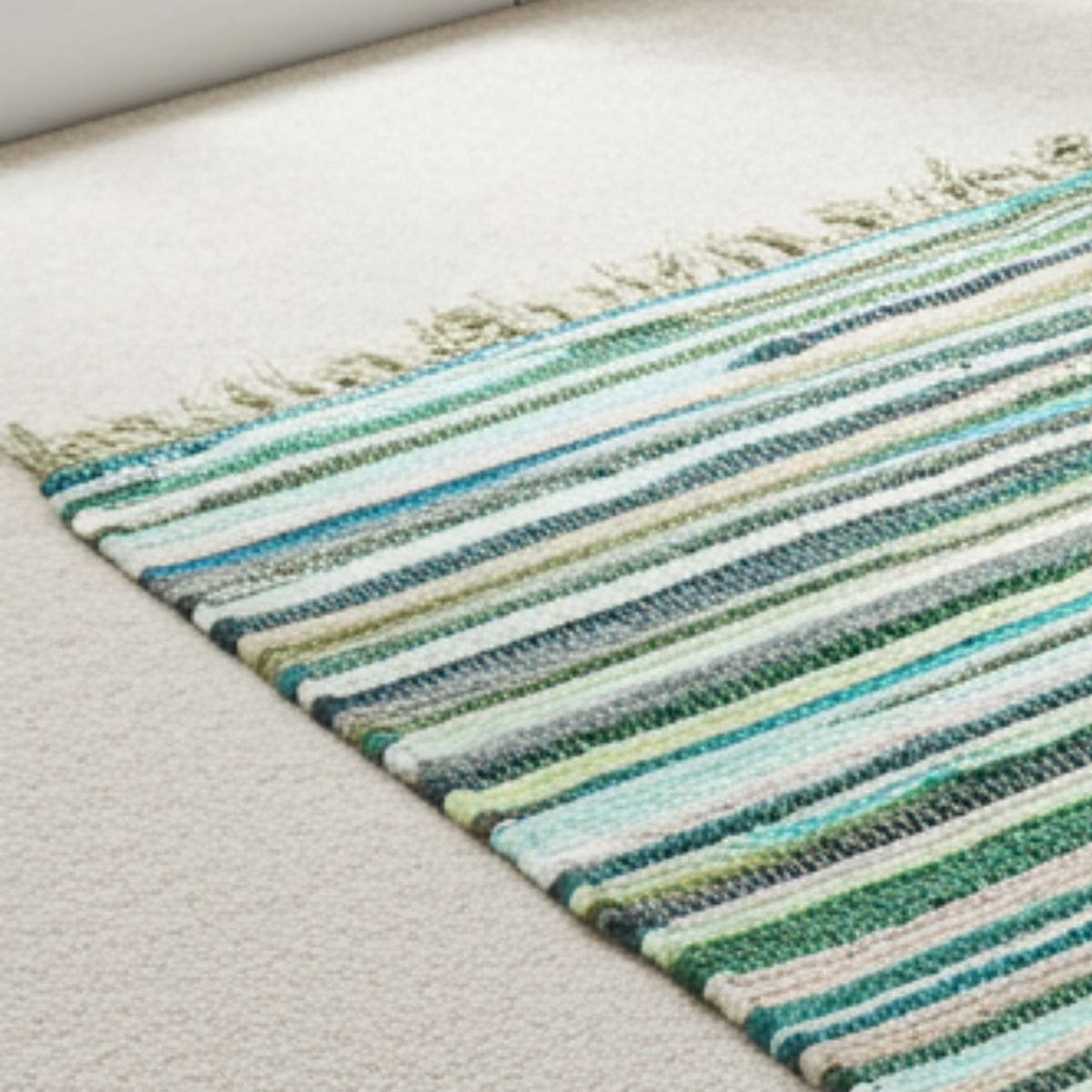
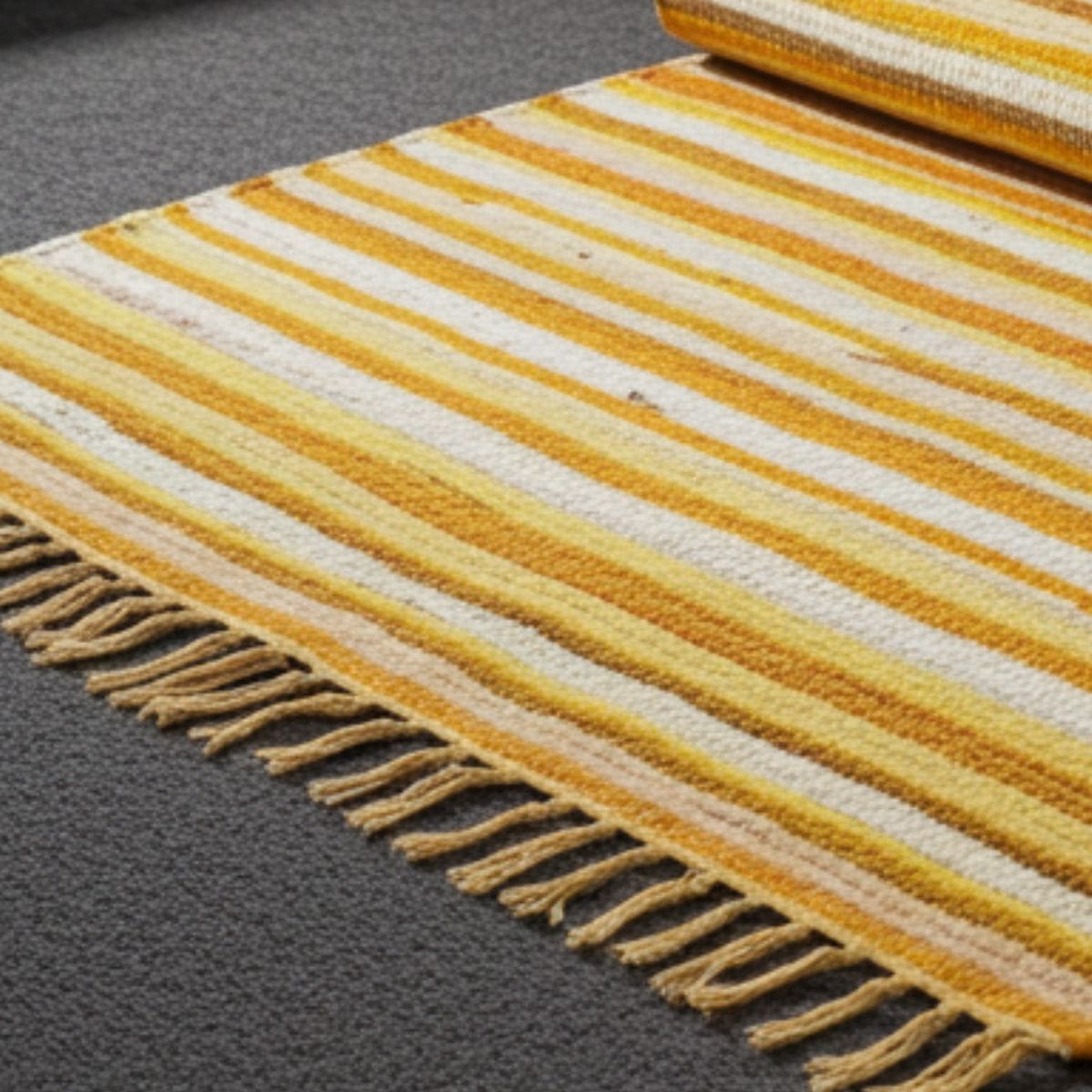
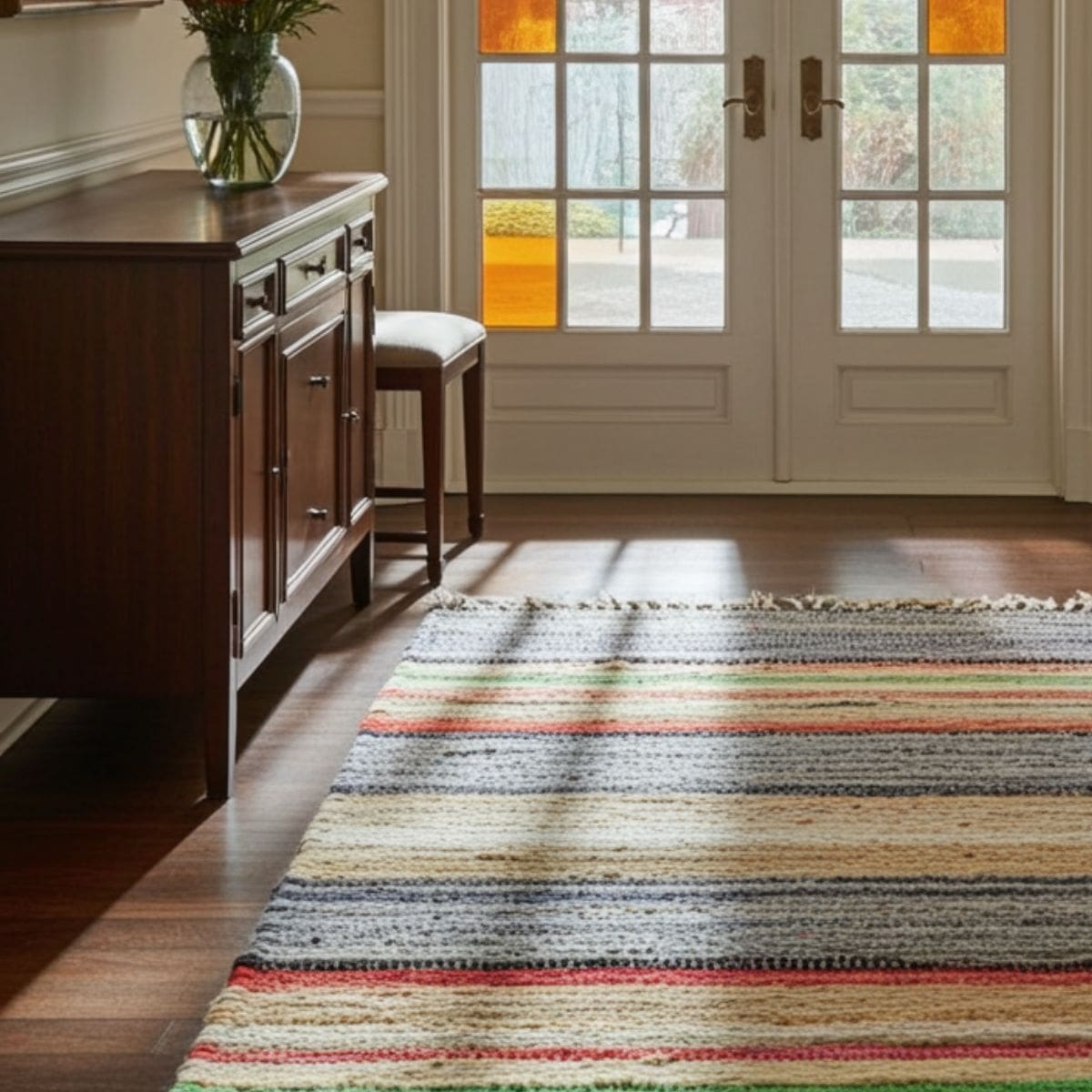
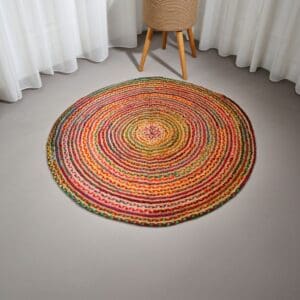
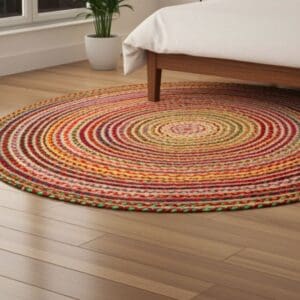
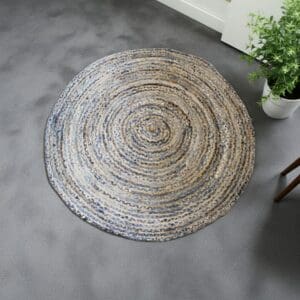
- The Tactile Landing: Grounding your sleep area with a different floor texture, like a Round Jute and Recycled Cotton Rug, acts as a psychological boundary. When your bare feet hit that natural fibre, it’s a physical anchor. It tells your brain: “The workday is over. You are now in the zone of rest.”
- Biophilic Elements: Bringing the “outside in” is proven to lower heart rates. A simple Macrame Plant Hanger with a snake plant (which releases oxygen at night) adds a living element to your sanctuary, softening the harsh lines of a modern room.
3. The Science of “Weight”: Deep Pressure Stimulation (DPS)
Have you ever wondered why a firm hug or a heavy winter coat feels so comforting? It’s not just a feeling—it’s a neurological process called Deep Pressure Stimulation.
For many of us, night-time anxiety feels like “floating”—a restless, ungrounded energy that keeps our legs twitching and our minds racing. The Good Nite Weighted Blanket is a biohacking tool designed to solve this.
How it Works:
- Cortisol Reduction: The distributed weight (ideally 10% of your body weight) reduces the production of cortisol, the “stress hormone.”
- Serotonin Boost: The pressure encourages the release of serotonin, the precursor to melatonin.
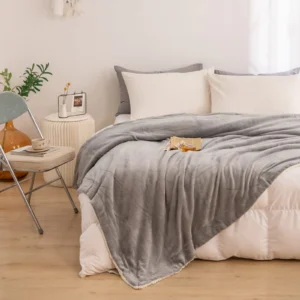
- Temperature Regulation: For the ultimate cocoon, layer your weighted blanket with an Ultra Soft Sherpa Fleece Blanket. Sherpa fleece is incredibly breathable while providing that “cloud-like” texture that prevents micro-fluctuations in body temperature—one of the leading causes of midnight waking.
4. Auditory Clearing: Beyond White Noise
“Silence” in a city is rarely peaceful. It’s filled with the low-frequency hum of appliances or the distant thrum of traffic. These sounds keep your “vigilance” centers active, even while you sleep.
Instead of masking noise with more noise (like a loud fan), try Sonic Clearing. The resonance of a Tibetan Handmade Brass Singing Bowl or a Mini Steel Tongue Drum creates a vibration that physically moves through the air. Spending five minutes “singing” a bowl before bed is a sonic reset. It shifts your brainwaves from the frantic “Beta” state of the day into the dreamy “Theta” state. It’s essentially a sound-bath for your bedroom.
5. Olfactory Anchors: Training the Amygdala
Your sense of smell is the only sense with a direct “fast-track” to the emotional center of the brain. You can use this to your advantage by creating a Pavlovian response to sleep.
By using a specific scent only when you are winding down, you train your brain to associate that scent with sleep.
- The Ritual: Use an Essential Oil Diffuser (we love the fire-effect models for the visual warmth) with Lavender Essential Oil or Valerian Essential Oil.
- The Result: After a week of consistency, the moment you smell the lavender, your heart rate will begin to drop. It’s the most effortless “habit” you can build for long-term sleep health.
6. Seasonal Adaptation: A Sanctuary for All Weathers
A Sleep Sanctuary must evolve. A room that feels cosy in December can feel suffocating in July.
- Summer Rest: Swap heavy duvets for lightweight Boho Throws. Focus on airflow and cooling scents like peppermint or eucalyptus.
- Winter Hibernation: This is when you lean into the “Hygee” lifestyle. Double-layer your Sherpa Fleece Blankets and use warmer, “earthier” scents like sandalwood or cedarwood.
7. The 30-Minute “Unwind” Checklist
If you have 30 minutes before bed, follow this sequence to maximise the ROI of your Sleep Sanctuary:
- T-Minus 30: Turn off all overhead lights. Light a Scented Candle.
- T-Minus 20: Start your Diffuser. Step onto your Jute Rug and take five deep breaths.
- T-Minus 15: Use your Singing Bowl for three minutes. Focus only on the sound.
- T-Minus 5: Slide under your Weighted Blanket.
- Sleep: Let the “Environmental Hygiene” you’ve built do the heavy lifting.
A Journey, Not a Quick Fix
Designing a bedroom for restorative rest isn’t about perfection; it’s about intention. Every time you choose a natural material over a synthetic one, or a warm light over a blue one, you are casting a vote for your own health. Your “Sleep Sanctuary” is a living, breathing part of your wellness journey. Start with one element—perhaps a rug or a candle—and build your sanctuary one sensory layer at a time.
You might also like to read one of these


- All
- AW delivery
- Accessories
- Home and Garden
- Hobbies and Crafts
- Mindfulness and Wellbeing
- Uncategorised
- Just for Kids
- Dog Gifts
- Homeware for a Happy Home
- Beach Towels, Blankets & Throws
- Mindful Jewellery
- Clothing
- Good Lifestyle
- Back
- Angel Bell
- Angel Caller
- Back
- Pendants and Charms
- Necklaces
- Bracelets
- Angel Bell
- Angel Caller
- Back
- Red Light Devices
- Sleep Aid Devices
- Back
- Essential Oil Diffusers
- Aromatherapy Essential Oils
- Back
- Soap flowers
- Boho Blankets and Throws
- Rugs
- Floor Cushions
- Blankets
- Candles
- Gardening
- Rag Rugs
- Seagrass Rugs
- Jute Rugs
- Back
- Aromatherapy Massage and Bath Oil
- Back
- Aromatherapy
- Calming Tools & Devices
- Massage
- Meditation Sound Bowls
- Essential Oil Diffusers
- Aromatherapy Essential Oils
- Mindful Tech
- Evening Rituals
- Portable Calm Tools
- Red Light Devices
- Sleep Aid Devices
- Aromatherapy Massage and Bath Oil
- Back
- Rag Rugs
- Seagrass Rugs
- Jute Rugs
- Back
- Painting
- Candle Making
- Jigsaw Puzzles and Games
- Back
- Framed Art & Posters
- Back
- Mindful Moments for Your Mobile
- Back
- Dog Blankets
- Dog Carriers
- Back
- Funny T-Shirts
- Hoodies
- Sweatshirts for Style and Sass
- Back
- Bags
- Mindful Mugs for Morning Positivity
- Diaries, Organisers and Planners
- Back
- Mindful Tech
- Evening Rituals
- Portable Calm Tools
- Red Light Devices
- Sleep Aid Devices