If you live in a UK city, you are likely living through a period of “Cognitive Overload.” From the moment you wake up in your flat and check your phone to the moment you close your laptop at the kitchen table, your brain is bombarded with blue light and dopamine-driven notifications.
The result? Your prefrontal cortex—the part of the brain responsible for focus and decision-making—is perpetually exhausted. To truly recover, you don’t just need “rest”; you need a physical space that is neurologically “silent.”
1. The “Digital Tether” and Your Nervous System
Even when we aren’t using our devices, their presence in a room creates a “brain drain.” Research suggests that having a smartphone within sight—even if it is turned off—reduces cognitive capacity. In a small flat where your bed, desk, and sofa are often in the same line of sight, you are never truly free from the “tether.”
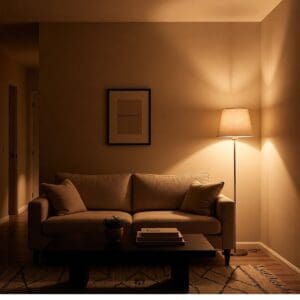
The Quiet Corner works by removing these cues entirely. When you enter a screen-free zone, you are signaling to your amygdala (the brain’s fear centre) that the “threat” of incoming emails, news alerts, and social comparisons has been removed. This allows your nervous system to shift from the Sympathetic (fight or flight) state into the Parasympathetic (rest and digest) state.
2. Creating a “Low-Dopamine” Environment
Modern apps are designed to exploit our “seeking” drive. A screen-free corner replaces this frantic digital seeking with Sensory Grounding.
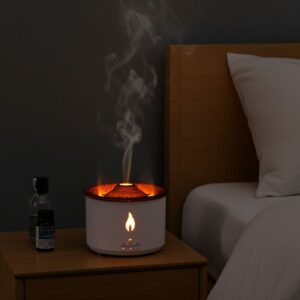
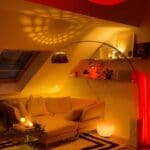
- Visual Rest: Instead of the flicker of a screen, focus on the rhythmic “breathing” of an aromatherapy diffuser. The slow, amber light mimics the natural flicker of fire, which has been shown to lower heart rates for millennia.
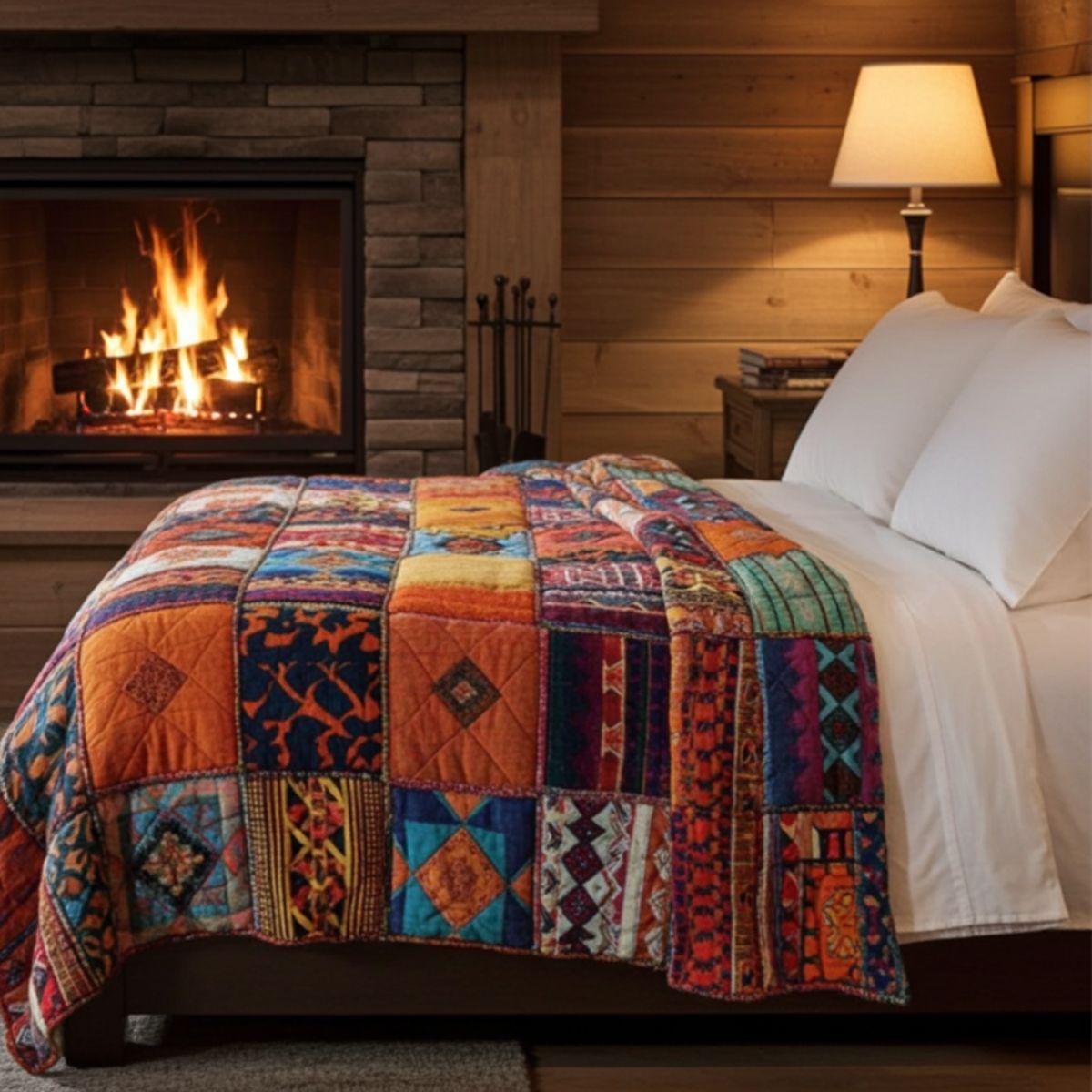
- Tactile Grounding: Use a floor cushion or a heavy Boho throw. The physical sensation of weight and texture helps pull your attention out of your “head” and back into your body.
3. The “Third Space” Concept in Small Flats
In sociology, the “Third Space” is usually a cafe or library—somewhere that isn’t work or home. In a small UK flat, your home often is your work. By creating a Quiet Corner, you are creating an internal “Third Space.”
It is a psychological boundary. When you are in the corner, you are not a worker, a consumer, or a flatmate; you are simply a person being. This distinction is vital for preventing burnout in high-pressure urban environments like London or Manchester.
4. How to “Hardwire” Your Quiet Corner
To make this screen-free zone effective, you must be strict with its boundaries:
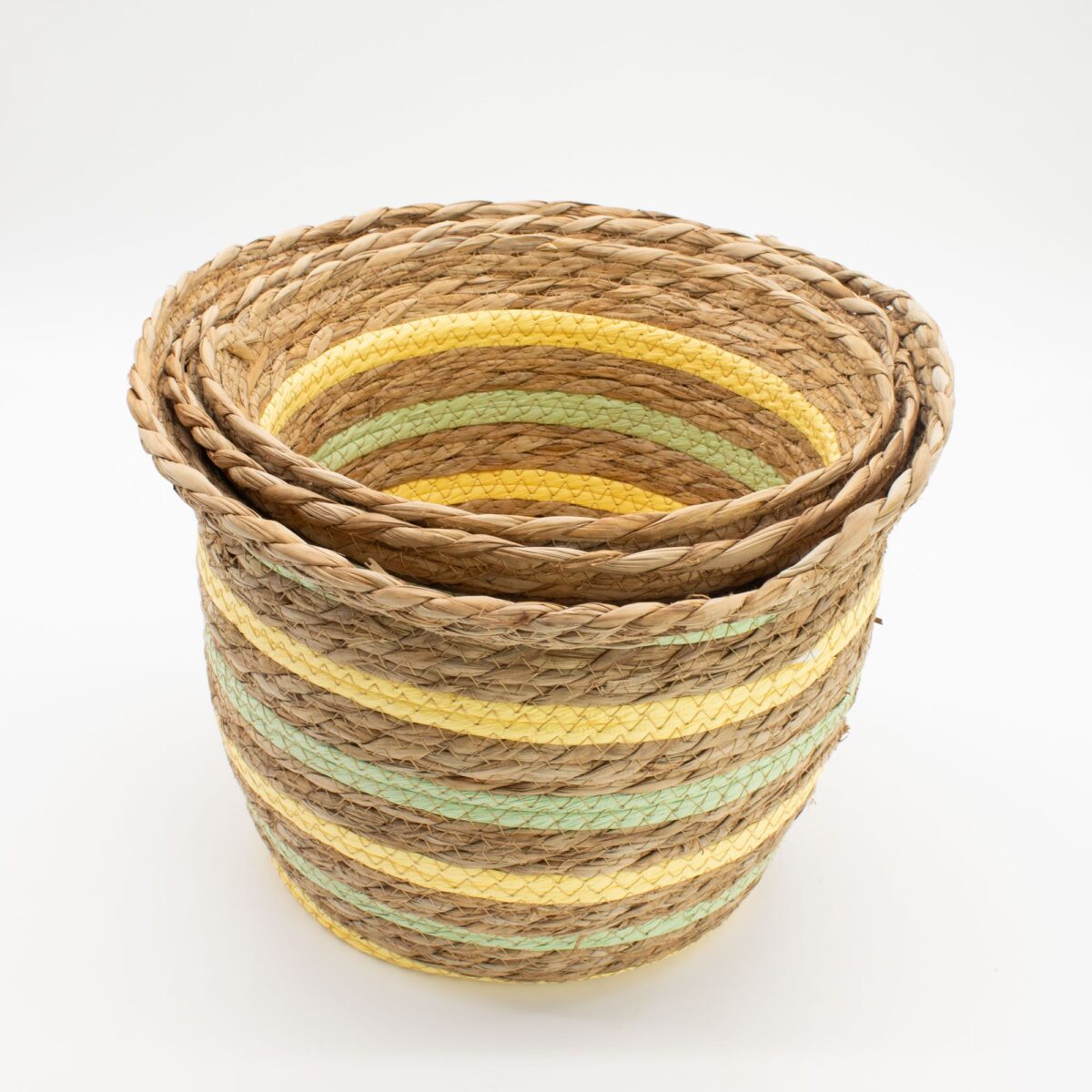
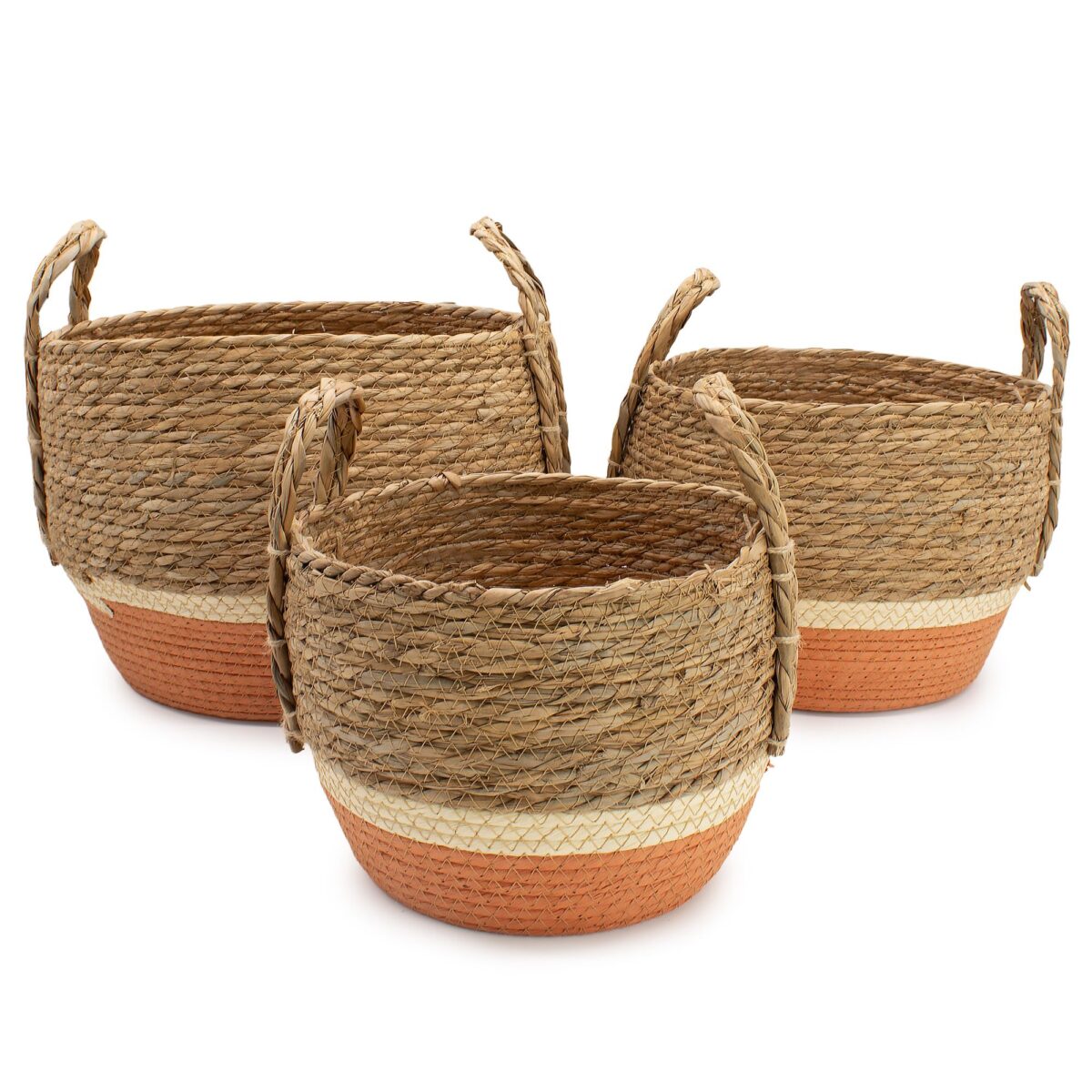
- The Tech Basket: Keep a small basket just outside the entrance to your Zen Corner. This is the “toll” for entry—your phone and tablet stay here.
- Analog Alternatives: Fill your corner with things that don’t require power. A paper journal, a hand-hammered singing bowl, or a book of poetry.
- Scent Association: Use a specific scent, like a deep Sandalwood in your Waterless Nebuliser, only when you are in this zone. Your brain will soon associate that smell with “offline time.”
Final Thoughts: Reclaiming Your Attention
Your attention is the most valuable thing you own. In a small flat, it is easy for that attention to be stolen by the clutter of work and the noise of the digital world. A Quiet Corner is an act of rebellion—a small, physical patch of your home where you are the boss, not your notifications.
You might also like to read one of these
- The Midnight Blend: Best Essential Oils for Deep REM Sleep

- Tactile Comfort: How Weighted Blankets and Fluffy Throws Reduce Night Anxiety
- Why Natural Fibres Improve Your Sleep Environment
- Sound Bathing for Beginners: Using Singing Bowls to Lower Heart Rate

- The Science of CES: How Microcurrents Silence a Racing Mind
- All
- AW delivery
- Accessories
- Home and Garden
- Hobbies and Crafts
- Mindfulness and Wellbeing
- Uncategorised
- Just for Kids
- Dog Gifts
- Homeware for a Happy Home
- Beach Towels, Blankets & Throws
- Mindful Jewellery
- Clothing
- Good Lifestyle
- Back
- Sleep Aid Devices
- Red Light Devices
- Back
- Essential Oil Diffusers
- Aromatherapy Essential Oils
- Back
- Boho Blankets and Throws
- Rugs
- Soap flowers
- Baskets
- Floor Cushions
- Blankets
- Candles
- Gardening
- Seagrass Rugs
- Jute Rugs
- Rag Rugs
- Back
- Aromatherapy Massage and Bath Oil
- Back
- Aromatherapy
- Calming Tools & Devices
- Massage
- Meditation Sound Bowls
- Essential Oil Diffusers
- Aromatherapy Essential Oils
- Mindful Tech
- Evening Rituals
- Portable Calm Tools
- Sleep Aid Devices
- Red Light Devices
- Aromatherapy Massage and Bath Oil
- Back
- Seagrass Rugs
- Jute Rugs
- Rag Rugs
- Back
- Angel Bell
- Angel Caller
- Back
- Pendants and Charms
- Necklaces
- Bracelets
- Angel Bell
- Angel Caller
- Back
- Mindful Moments for Your Mobile
- Back
- Dog Blankets
- Dog Carriers
- Back
- Funny T-Shirts
- Hoodies
- Sweatshirts for Style and Sass
- Back
- Bags
- Mindful Mugs for Morning Positivity
- Diaries, Organisers and Planners
- Back
- Mindful Tech
- Evening Rituals
- Portable Calm Tools
- Sleep Aid Devices
- Red Light Devices
- Back
- Painting
- Candle Making
- Jigsaw Puzzles and Games
- Back
- Framed Art & Posters