

-
Brass Tibetan Burner - Eight Symbols Square Hanging Pot
Regular price £39.99 GBPRegular price -
Brass Tibetan Incense Burner - Six Symbols Standing Pot
Regular price £39.99 GBPRegular price -
Brass Tibetan Burner - Four Symbol Hanging Pot
Regular price £39.99 GBPRegular price -
Brass Verdigris Tibetan Turtle Incense Holder - Large
Regular price £45.00 GBPRegular price

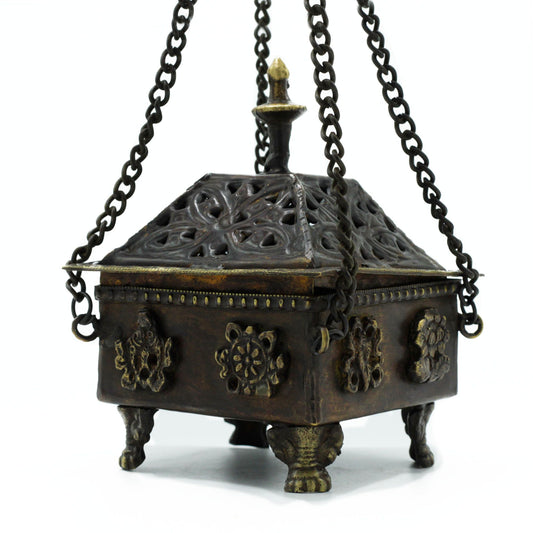

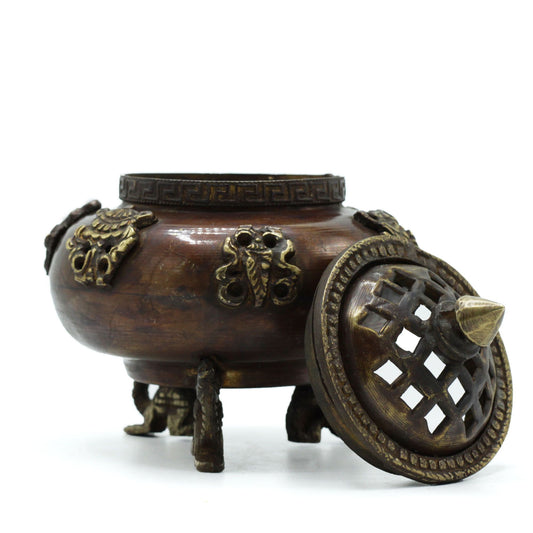

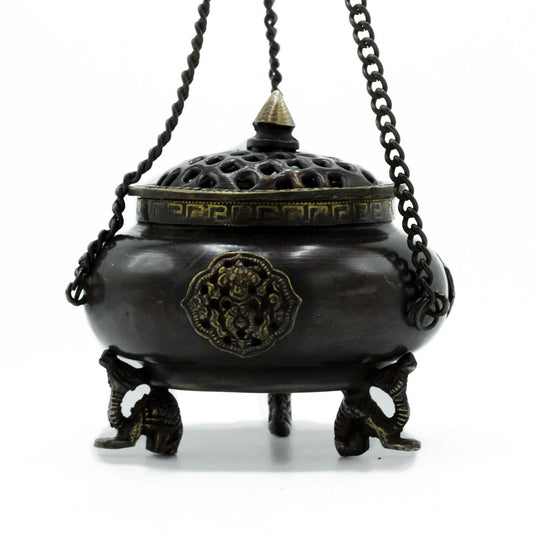


Antique Tibetan Incense Holders
Let customers speak for us
Fast delivery and really good quality

I got the 180 x 200 cm. It was so lovely and soft, genuinely surprised and the size fits a double bed and then some.. reversible and also easy to clean because its not too thick!! Came smelling lovely not a disgusting warehouse smell u sometimes get and genuinely really warm.. on a cold night i don't need to layer it with anything else ..
Yes, it's a good product and works well in the room; there's a consistently pleasant smell. I recommend it.

Great 👌 😌
Beautiful and very quality product 👌 Recommended 👍 🎖️
Very beautiful essential oil diffuser with great effect.
Have brought these before they are very strong and look great with pots hanging.

Excellent product, meets the description and very secure shipping. 👌🏼

The lamp looks formidable. I recommend it with full confidence 💯

matches the description
This is my second one i’ve bought they are lovely
Solid chimes. Just a little longer so might not be suitable for shorter ceilings

Discover More Calm
-

Cosy Blankets for Calm Living
Thoughtfully Chosen Throws & Blankets for a Serene Home Discover our carefully...
-

Essential Oil Diffusers
Essential Oil Diffusers & Nebulisers for a Serene Home Atmosphere Mindful living...


